Modernization
Learn more about government’s intention to modernize the museum to protect our historic holdings and provide better access to our collections.



When we launched the Learning Portal 10 years ago, we had high hopes and a clear direction to make our collections, research and stories more accessible to British Columbians. As the provincial museum with a mandate to reach British Columbians across the province, our location on the southern tip of Vancouver Island can be an impediment, especially for one of our largest audiences: students and teachers. A 2013 report from the BC Ministry of Education recommended that the museum design and build a website to better reach this audience.
After two years of development, and more than a few passionate discussions about what to call this new online entity, we launched the Learning Portal in February of 2015. At this time, we did not yet know that a global pandemic would put a spotlight on our new learning resource. When it did, we were grateful to have an established platform that made it easier for visitors to connect with us while we, like other museums, remained closed.
In April 2020, a month after the world shutdown, a Globe and Mail article recognized the Royal BC Museum as one of seven Canadian museums with strong online access to their collections. By then, the Learning Portal was already five years old and ready to meet the increased demands of online learning.
For Learners of All Ages
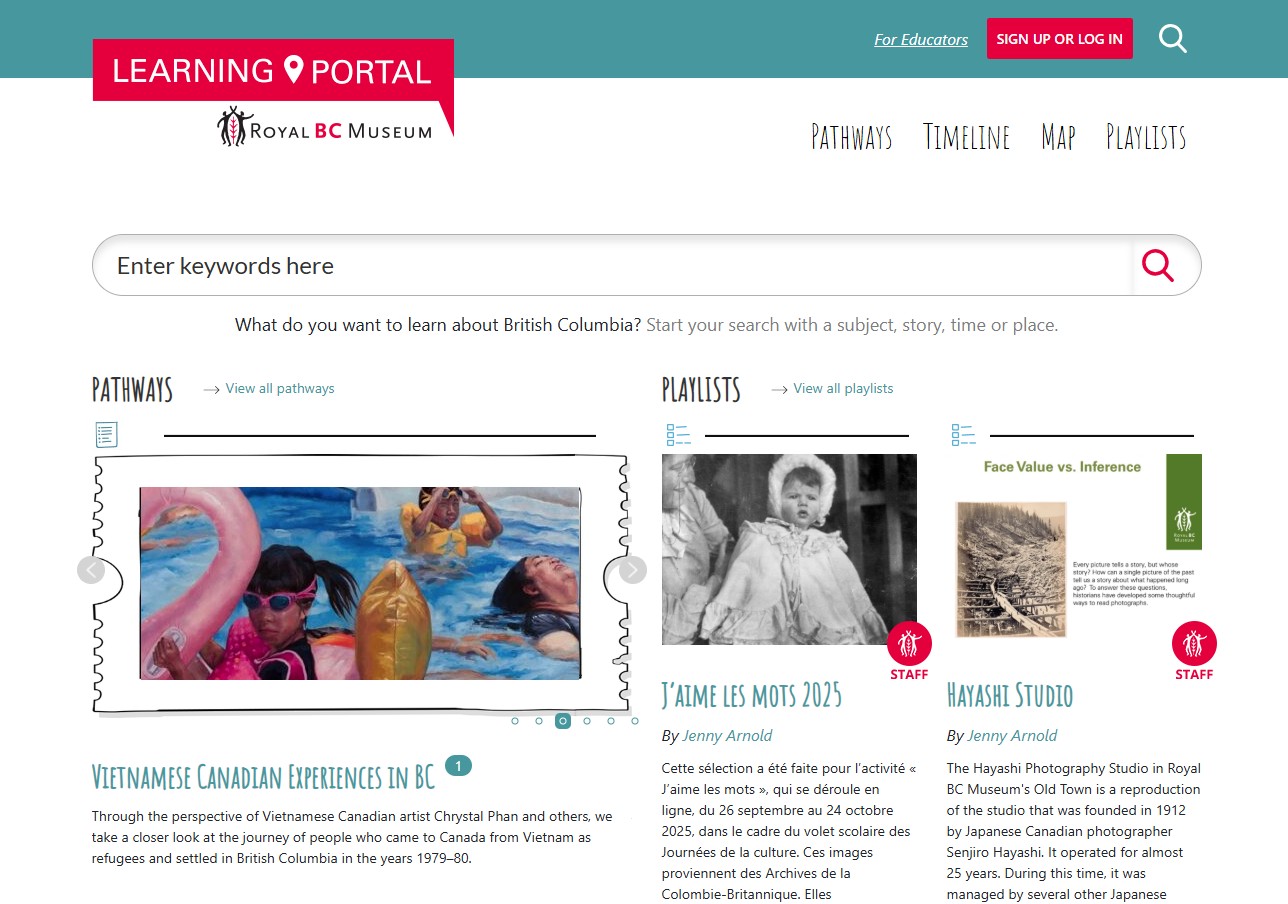
Although our original intent was to reach school-age audiences and teachers, we wanted the look and content to appeal to learners of all ages, so we designed the home page to be inviting for everyone. Visiting the front page of the Learning Portal you are prompted to explore British Columbia through subject, time or location. Unless you’re an educator, you might not even notice the educator link at the top.
One of the things about designing learning programs and material for children is that those specific techniques often work just as well for adults. We’ve found this to be true for the Learning Portal too. Indeed, people of all ages and backgrounds, not just kindergarten to grade 12 students and teachers, visit the Learning Portal to learn more about the collections and work at the museum, including post-secondary students, our valuable volunteer team and the general public.
We all have different learning styles no matter what age. The most visited section of the Learning Portal is Pathways where you can explore a range of subjects through different media meant to appeal to various learning styles. For example, there is audio to listen to, videos to watch, articles to read.
Dave Stewart, Director of IMIT and Digital Experience at the Royal BC Museum, says, “The Learning Portal has always been a great success, right from the get-go. As the content grows and grows so does the audience, and they hang around too. The stats tell us they're diving deep and spending a good amount of time on each page.”
Much of that success is attributed to regular refreshing and adding of new content by the museum’s Learning & Engagement team. In 2015, we launched the Learning Portal with just 6 pathways. In our 10th year there are 55 pathways with more in the works!
For a museum with over 10 million objects and specimens that represents both natural and human history, and in a province with the most biological and geological diversity, and the most Indigenous languages of any place in Canada, there are still countless gaps on the Learning Portal and we have much work to do to ensure we acknowledge and share a wide range of stories and histories of this province.
Where there are gaps in our collections, especially for diverse communities, we have worked with partners to develop content. So many people and communities have contributed to the Learning Portal in our first 10 years.
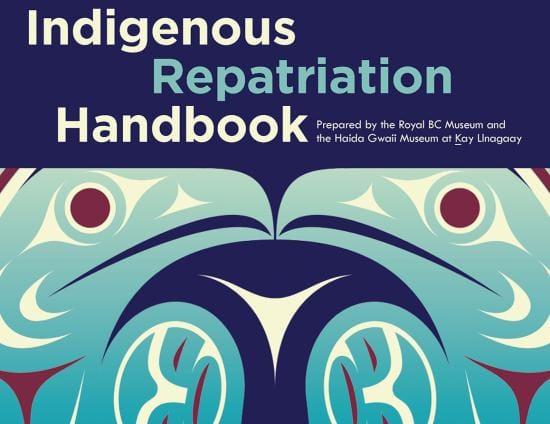
In 2014, the First Peoples Cultural Council developed the popular Our Living Languages exhibit with the museum and later developed an online component for the Learning Portal so visitors can experience much of that exhibit remotely, including the powerful film Our Living Languages and listen to recordings of cradle songs in some of the Indigenous languages of this place we now call British Columbia.
With educators and writers from diverse communities we have published pathways about Japanese, Chinese, South Asian and Vietnamese Canadians in BC, and most recently we published “Diversity in Early Black Communities,” developed in partnership with the BC Black History Society.
Visitor-Created Content
The playlist section where visitors can collect or create their own content has grown too. Science teachers use this section as a safe online space for students to practice science communication with an authentic audience. Each year, French teachers and students from across Canada participate in the popular ‘J’aime les mots’ meme contest using images from Canadian cultural institutions, including the BC Archives.
The Learning Portal is a living resource that helps us extend our reach across this vast, unique and diverse province. The first 10 years of the portal saw much growth and this dynamic platform helped position the Royal BC Museum as a leader in online learning. What will the future bring? Follow your curiosity to rbcm.ca/lp.